Fedora
Fresh software done cleanly, sane defaults, strong upstream ties.
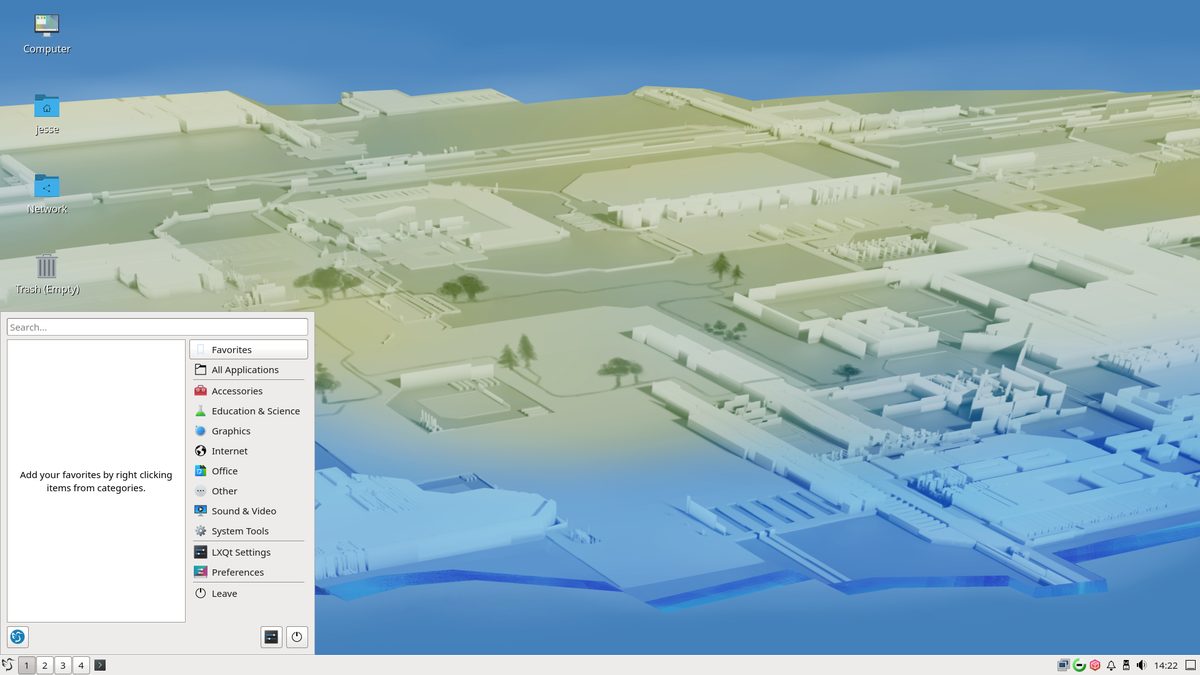
Fedora is where the Linux desktop's future shows up first, done properly. Sponsored by Red Hat but community-driven, it ships a new release every six months carrying the latest kernel, GNOME, and toolchains, all integrated with unusual discipline. Wayland by default, PipeWire audio, Btrfs root: each became mainstream Linux practice after Fedora proved it first.
The result is a distro that feels current without feeling reckless. Software lands fresh but tested, SELinux hardens the system quietly underneath, and the project's tight relationship with upstream projects means fixes flow in both directions. Developers in particular get a first-class experience: modern languages, containers via Podman, and the same ecosystem that powers RHEL. If you want new software with engineering standards, Fedora is the benchmark.
Strengths
- Fresh kernels, desktops, and toolchains delivered with real integration discipline.
- The distro where desktop Linux's new standards (Wayland, PipeWire) mature first.
- Excellent developer story: Podman containers, Toolbox, and modern language stacks.
- SELinux security enforced by default without getting in your way.
- Strong upstream ties: what Fedora fixes, all of Linux eventually inherits.
Considerations
- Six-month releases with about thirteen months of support mean regular upgrades.
- Patent-encumbered media codecs and NVIDIA drivers need RPM Fusion, one extra step.
- Point releases, not rolling: fresher than Ubuntu, but Arch-family distros are fresher still.
Standout features
- The upstream-first philosophy: changes go to the source projects, not distro patches.
- Fedora Workstation's stock GNOME is one of the cleanest desktop experiences anywhere.
- The wider family: Silverblue (atomic), Kinoite (KDE), CoreOS, and Spins for every desktop.
- dnf5 package manager: fast, modern, and scriptable.
Who it's for
Best for
Developers and enthusiasts who want genuinely current software with engineering rigor, on a system that tracks where Linux is going.Maybe not for
People who want five-year support windows or a fully rolling release, and anyone annoyed by a codec setup step.The Fedora player profile
In Distro Fighter, Fedora tends to win for people who…

Signature moves
Similar distros
Is Fedora right for you?
Answer eight quick questions and watch 32 distros brawl to your pick. No signup, about 60 seconds.